In 2025, where recruiters often spend less than 10 seconds on each application, a well-structured, compelling cover letter can separate a generic applicant from a memorable one.
In this ultimate guide, we’ll walk you through:
What a cover letter really is (and isn’t)
Why they still matter in 2025
The phased writing structure that works
Real examples that recruiters appreciate
Mistakes to avoid and FAQs you won’t find elsewhere
Whether you're a fresher, switching industries, or returning to work, this guide will help you build a modern, strategic cover letter that works.
Table of Contents
What Is a Cover Letter?
Why Cover Letters Still Matter in 2025
Cover Letter vs Resume: The Real Difference
The Strategic Phased Approach (Step-by-Step)
Real-World Example: Cover Letter That Works
Common Mistakes to Avoid
Cover Letter Best Practices in 2025
Tools That Can Help You
Cover Letter Checklist
SEO-Optimized FAQs
1. What Is a Cover Letter?
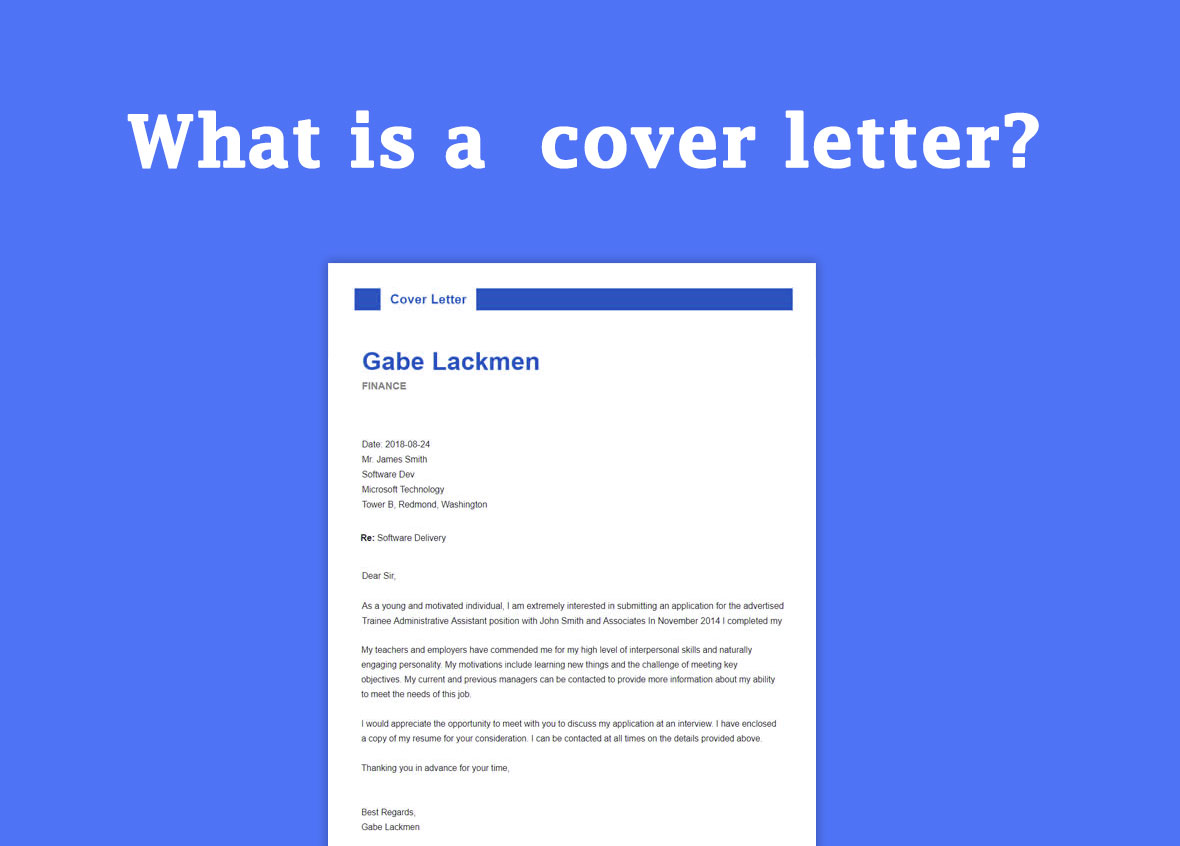
A cover letter is a one-page document submitted with your resume to:
Introduce yourself to the recruiter
Communicate your motivation for applying
Highlight specific achievements relevant to the job
What it’s not:
A repetition of your resume
A generic copy-paste template
An unnecessary formality (in 2025, it's strategic real estate)
2. Why Cover Letters Still Matter in 2025
Even in a world of instant applications and AI-generated resumes, cover letters still hold power. Here’s why:
Recruiters skim resumes. They read cover letters to decide who gets shortlisted.
3. Cover Letter vs Resume: The Real Difference
Combine the two, and you don’t just show up—you stand out.
4. The Strategic Phased Approach (Step-by-Step)
Phase 1: Research the Company and Role
Understand what matters to the company. Review their:
Job post
Website and blog
Social media or press releases
Highlight 3 key themes to align with in your letter.
Phase 2: Match Your Value to Their Needs
For each job requirement, ask:
“Where have I demonstrated this?”
If you lack direct experience, use:
Academic projects
Volunteer work
Transferable skills
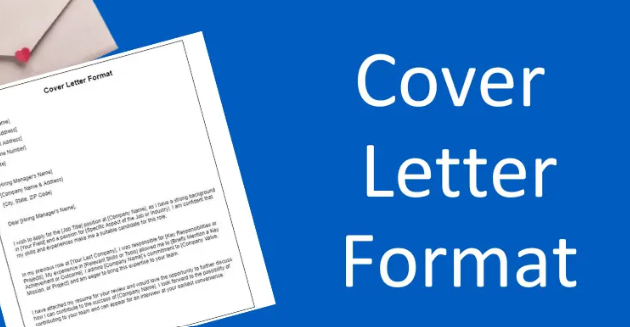
Phase 3: Structure the Letter in 3 Core Parts
Introduction
Mention the role, express genuine interest, and offer a hook.
Example: “I’m writing to apply for the Data Analyst role at Xebra. With experience in survey analysis and a passion for product research, I’d love to support your insights team.”
Body Paragraph(s)
Highlight 1–2 accomplishments with context and results.
Use action verbs and metrics: “Led a campaign that grew engagement by 45% in 60 days.”
Closing
Reiterate interest and invite conversation.
“I’d appreciate the opportunity to discuss how I can contribute to your growth.”
Phase 4: Edit for Clarity and Tone
Run your letter through:
Grammarly for typos
Hemingway Editor for sentence structure
ChatGPT for tightening or paraphrasing
Phase 5: Final Checks Before Sending
Keep it under 350 words
Save as PDF
Name it: CoverLetter_YourName.pdf
Tailor it for every role
5. Real-World Example: Cover Letter That Works
Dear Hiring Manager,
I’m excited to apply for the Junior Product Analyst role at Daymetric. With a background in data science and hands-on experience in A/B testing, I bring both analytical rigor and curiosity to the role.
During my final year at university, I partnered with a retail startup to reduce cart abandonment by 20%. I built a user segmentation model and designed a retargeting experiment that improved conversions in just six weeks.
Daymetric’s focus on data ethics and product transparency deeply resonates with me. I’d love the chance to grow within your analytics team.
Thank you for considering my application.
Sincerely,
[Your Name]
6. Common Mistakes to Avoid
Starting with “To whom it may concern”
Repeating your resume
Using vague statements like “I’m a team player”
Writing more than one page
Forgetting to customize the letter
7. Cover Letter Best Practices in 2025
Use a clean, professional font (e.g., Calibri, Arial)
Keep paragraphs short (3–4 lines)
Don’t copy from templates—make it your own
Reflect the company’s tone: formal or casual
Avoid buzzwords without proof
8. Tools That Can Help You
9. Cover Letter Checklist
Personalized greeting
Clear mention of the job title
Specific accomplishments included
No grammar or spelling errors
Customized for the company
Saved as PDF
Final sign-off with name
10. SEO-Optimized FAQs
1. What should be included in a modern cover letter?
A strong cover letter in 2025 should include:
A concise opening that captures attention.
Why you’re interested in the role and company.
2–3 relevant achievements or skills that match the job description.
A closing that shows enthusiasm and invites next steps.
Keep it personalized, evidence-based, and forward-looking.
2. How long should a cover letter be in 2025?
Ideally, one page or 250–350 words. Recruiters scan quickly, so focus on quality over quantity.
3. Can I write a cover letter without experience?
Yes. Emphasize transferable skills, education, internships, volunteer work, or passion for the field. Show your eagerness to learn and contribute.
4. How do I tailor a cover letter to a job description?
Mirror keywords from the job posting.
Highlight achievements that align directly with the listed responsibilities.
Show you understand the company’s goals or challenges.
Use specific examples rather than general statements.
5. Is it okay to use AI for writing a cover letter?
Yes, but treat AI as a drafting assistant, not a final product. Personalization and authenticity are critical—recruiters can spot generic letters. Always edit to reflect your voice.
6. Do recruiters still read cover letters?
Not always, but many do—especially for competitive roles, leadership positions, or industries like consulting, non-profits, and creative fields. Even if only some read them, a great cover letter can set you apart.
7. How to start a cover letter if I don’t know the recruiter’s name?
Avoid “To Whom It May Concern.” Instead, use:
“Dear Hiring Manager,”
“Dear [Department] Team,”
Or even, “Dear Recruiter for [Job Title],”
This feels more specific and professional.
8. Should I include soft skills in my cover letter?
Yes, but show them through examples instead of listing them. For example, instead of saying “I’m a team player,” describe a project where collaboration led to success.
9. Can I reuse my cover letter for different jobs?
You can reuse a template, but never send the exact same letter. Always tailor at least 30–40% of the content to match the specific role and company.
10. How do I end a cover letter professionally?
Close with confidence and gratitude:
“I’d welcome the opportunity to discuss how my skills can contribute to [Company].”
End with: “Sincerely” or “Best regards,” followed by your name.
11. Should I include links in my cover letter (e.g., portfolio)?
Yes—especially for creative, tech, or freelance roles. Keep them professional (LinkedIn, GitHub, portfolio website). Hyperlink cleanly or include short, neat URLs.
12. What file format is best for uploading a cover letter?
PDF is safest—it preserves formatting across devices. Only use Word if the employer specifically requests it.
13. Is a cover letter necessary for remote jobs?
Yes. Remote roles are highly competitive, and a tailored cover letter shows commitment and communication skills—both vital for distributed teams.
14. Can humor be used in cover letters?
Cautiously. A light touch of personality can work in creative industries, but avoid jokes that might not translate well. Professionalism should always come first.
15. What is the difference between a motivation letter and a cover letter?
Cover letter → Focuses on why you’re right for a specific job.
Motivation letter → Broader, often used for university admissions, scholarships, or volunteering, emphasizing personal drive and goals rather than direct job skills.
Final Thoughts
In 2025, a cover letter isn’t a formality—it’s a strategic opportunity. When done right, it speaks directly to the recruiter’s needs, showcases your voice, and earns their attention.
Write it like a pitch. Back it up with data. Make it personal.
And remember: most people won’t take the time. When you do, you stand out.