Cover Letter Blogs
Writing your first cover letter? Learn how to structure it, what to include, and how to leave a lasting impression with recruiters. This definitive guide includes expert tips, examples, tools, and FAQs tailored for first-time job seekers.

What Questions to Ask in an Interview?
Many candidates prepare to answer questions in an interview — but few prepare to ask them. Yet, the questions you ask at the end of an interview can set you apart as a thoughtful, engaged, and confident professional.
CC
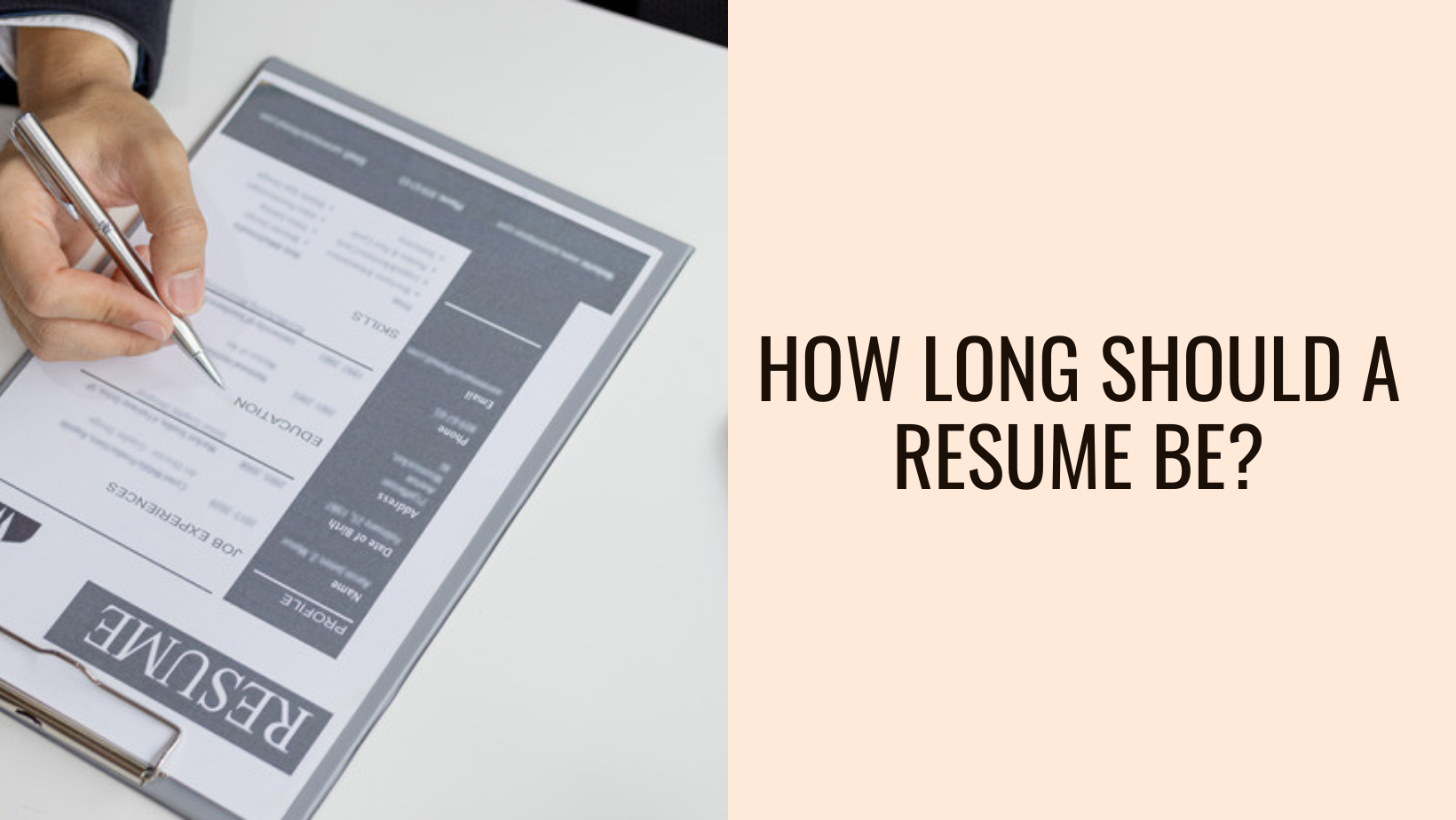
How Long Should a Resume Be?
When it comes to resumes, one of the most debated questions is — how long should it really be? Should you stick to one page, or can two pages work if you have a lot of experience? The truth is, the ideal resume length depends on your career stage, industry, and the role you’re targeting.
CC
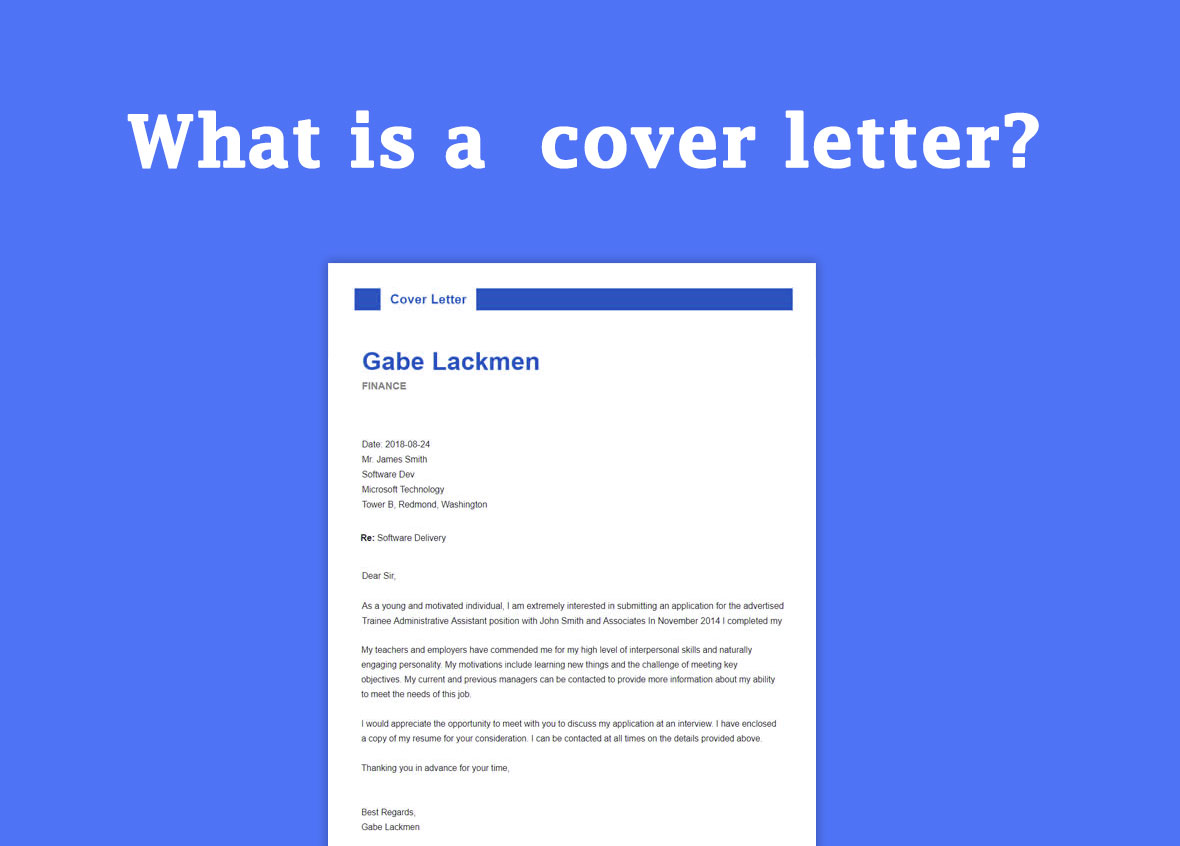
What Is a Cover Letter: The Complete Guide for Job Seekers
When applying for a job, your resume tells the story of what you’ve done — but your cover letter tells why it matters. A cover letter is often the first impression you make on a hiring manager, yet many candidates underestimate its importance. In this guide, we’ll explain what a cover letter is, why it’s essential, and how to make yours stand out in today’s competitive job market.
CC
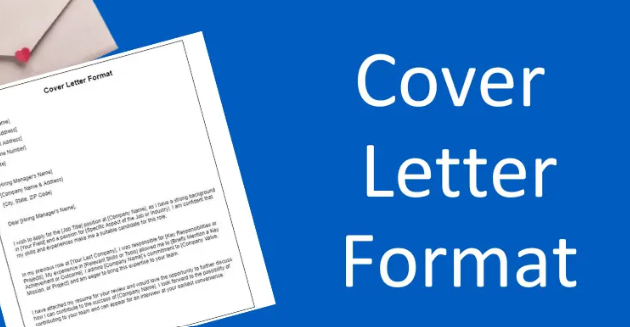
Cover Letter Format: A Step-by-Step Guide for Job Seekers
A well-structured cover letter can be the difference between getting noticed and being overlooked. While the content of your letter matters, how you format it is equally crucial. A clean, professional format ensures readability and helps hiring managers quickly see why you’re the right fit.
CC
Words to Describe Yourself: Powerful Examples for Interviews and Resumes
When an interviewer asks, “How would you describe yourself?”, your answer can make a lasting first impression. The words you choose show not just your personality but also your professional identity and fit for the role.
CC
What Are Your Strengths and Weaknesses: A Complete Guide for Interview Success
One of the most common — and trickiest — interview questions is: “What are your strengths and weaknesses?”
CC
Letter of Recommendation Template: A Complete Guide for Professionals
A strong letter of recommendation (LOR) can open doors — whether for a job, internship, or academic program. It serves as a professional endorsement, highlighting skills, achievements, and character traits that make the candidate a great fit.
CC

Introduction: Your Cover Letter Mission Starts Here
Crafting your very first cover letter might feel like trying to write a speech for an audience you’ve never met. You're not sure how formal to be, what to include, or how to start. But here's the secret: the best cover letters don’t follow a rigid formula—they tell a purposeful story.
CC
How to Write a Cover Letter: The Ultimate Guide for 2025
Cover letters aren’t dead—in fact, they might be the deciding factor between getting an interview or being skipped entirely.
CC

Introduction: Why Cover Letters Still Matter
Updated for 2025, this detailed guide helps job seekers understand the strategy, psychology, and structure behind writing a standout cover letter—regardless of experience level or industry.
CC