In the digital age of quick applications, one-click resumes, and AI-written profiles, it's tempting to assume that cover letters have lost their importance. But when written strategically, a cover letter does something no resume ever can:
It tells your story.
A well-written cover letter positions you not just as an applicant—but as a potential asset.
In this guide, we’ll walk you through every key component of a modern, impactful cover letter. From understanding its purpose to nailing the structure, from real-world examples to tools that can help—you’ll finish with everything you need to write a cover letter that converts interest into interviews.

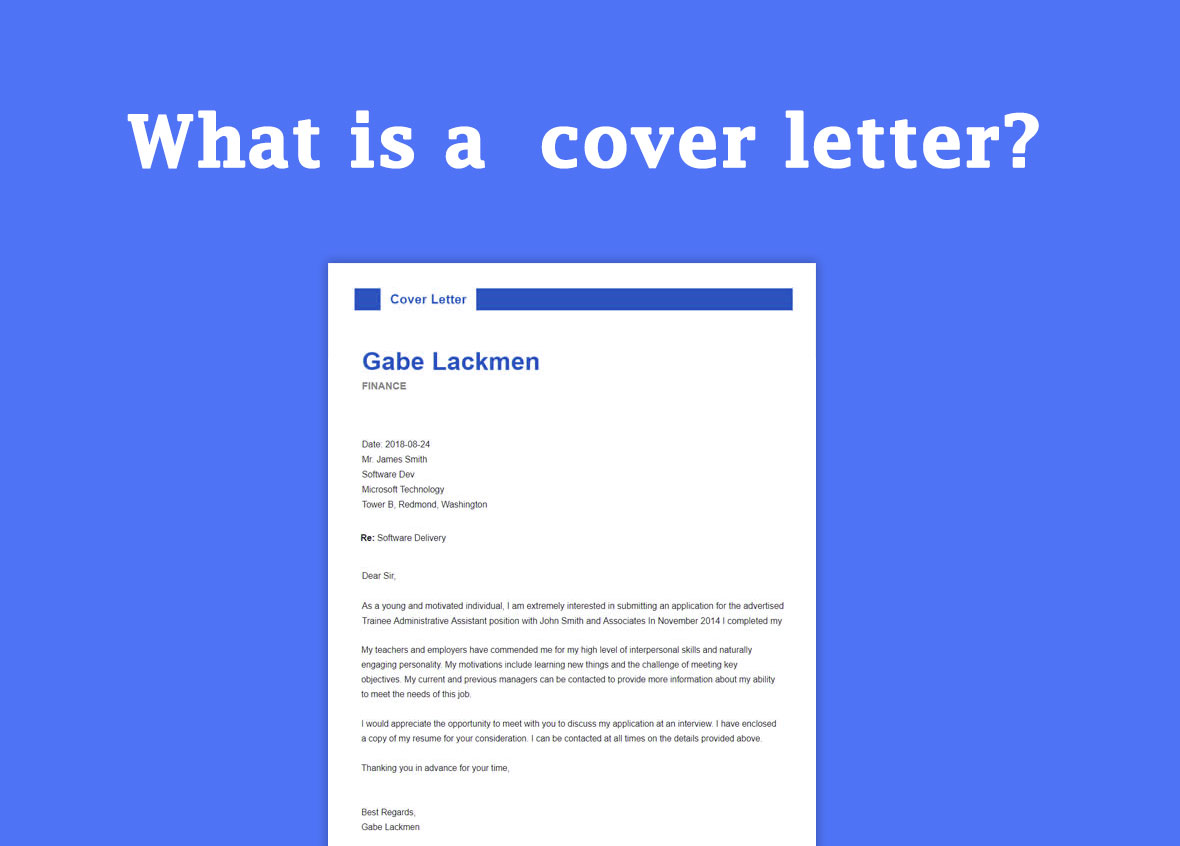
A cover letter is a targeted, personalized communication attached to your job application that introduces who you are, explains why you’re interested in the job, and outlines why you’re the right person for the role.
It is not a repetition of your resume.
Instead, it provides:
Context for your career path
A demonstration of writing and thinking ability
A tailored story that resonates with the hiring manager
Cover letters are your first opportunity to differentiate yourself from applicants with similar qualifications.

Recruiters continue to pay attention to cover letters—especially for roles that require strong communication, strategic thinking, or cultural fit.
Here’s why cover letters still carry weight:
They demonstrate effort. Most applicants skip them; those who write them show real interest.
They offer context. If you’re switching industries, re-entering the workforce, or have employment gaps, this is where you explain.
They allow you to match tone. You can reflect the company’s voice and values to show alignment.
They humanize the applicant. Resumes show skills; cover letters show people.
For certain industries—like consulting, marketing, journalism, education, and non-profits—a tailored cover letter is not optional. It’s expected.
Before You Begin: Preparation Essentials
Before drafting anything, gather the following:
The exact job title and company name
The job description (highlight keywords and responsibilities)
Company information: mission, values, team size, culture
The hiring manager’s name (if available)
Your own relevant experiences, strengths, and achievements
Preparation ensures your letter is not generic. Tailoring your message is what turns a boilerplate cover letter into a compelling pitch.
Anatomy of a Strong Cover Letter
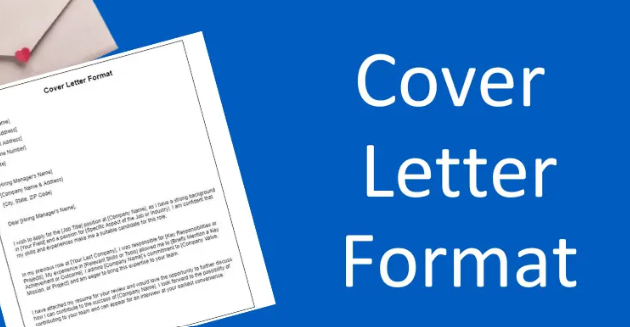
Cover letters generally follow a five-part structure:
1. Header
Include:
Your name and contact information
The date
The hiring manager’s name, title, and company address (if known)
2. Greeting
Best practice:
Address the hiring manager directly.
Example: Dear Ms. Sharma,If unknown, use Dear Hiring Manager or Dear [Department] Team.
Avoid “To Whom It May Concern.”
3. Opening Paragraph
Introduce yourself and mention the role you're applying for. Hook the reader with a sentence that combines:
Enthusiasm for the role
A hint of what you’ll bring to the team
Example:
“I’m writing to apply for the Business Analyst role at Nexware. With a passion for data-driven problem-solving and two academic projects in financial modeling, I believe I’m uniquely equipped to add value to your team.”
4. Body Paragraph(s)
Here’s where you:
Highlight one or two relevant experiences
Match your skills with job requirements
Quantify your achievements (if possible)
Show alignment with the company’s goals or values
Tip: Avoid rehashing your resume. Add narrative and reflection.
5. Closing Paragraph
Reiterate your interest and suggest a next step.
Example:
“Thank you for considering my application. I would welcome the opportunity to contribute to your analytics team and discuss how my background could support Nexware’s mission.”Finish with a polite sign-off like “Sincerely” or “Best regards”.
How Long Should a Cover Letter Be?
Ideal length: 300–350 words
Format: One page, single-spaced, 11–12 pt font
Tone: Clear, confident, and professional—not stiff or robotic
File format: PDF (unless the job post specifies otherwise)
Real Cover Letter Example: First-Time Applicant

Common Mistakes to Avoid
Avoid the following pitfalls:
Repeating your resume word-for-word
Using clichés like “team player” or “go-getter” without proof
Being too generic (“I am excited to work at your esteemed organization…”)
Writing in a passive or impersonal tone
Making the letter too long or dense
Keep it tailored, relevant, and concise.
Recommended Tools for Writing Cover Letters

Do Recruiters Actually Read Cover Letters?
Recruiter behavior varies:
Some read cover letters before the resume, especially for content or communication roles.
Others glance at it after shortlisting the resume.
Some ATS systems require it to proceed with screening.
Even if only 50% of recruiters read cover letters, you’ve lost nothing by writing one. But you gain everything if it wins you an interview.
Final Checklist: Before You Hit Send
Use this quick checklist to validate your cover letter:
Have you mentioned the correct company and role?
Is it tailored to the job?
Have you included at least one measurable achievement?
Is the tone confident and human?
Have you saved it as a properly named PDF?
CoverLetter_Firstname_Lastname.pdfHave you proofread at least twice?
Frequently Asked Questions (FAQs)
1. Should I write a different cover letter for each job?
Yes. A generic cover letter is easily spotted—and ignored.
2. What if I don’t have relevant experience?
Focus on transferable skills from coursework, volunteer work, or side projects.
3. Should I include salary expectations?
Only if the job post requests it. Otherwise, leave it out.
4. How do I address gaps in employment?
Briefly and positively. Focus on what you learned or achieved during that time.
5. Can I use bullet points?
You can use 1–2 bullet points sparingly if they improve clarity or emphasize achievements.
6. Should I write my cover letter in first person?
Yes, cover letters should be written in the first person (e.g., “I led…”).
7. Do hiring managers prefer creative formats?
Only in creative industries. For most roles, a simple, clean format is preferred.
8. Should I follow up after applying?
If you haven’t heard back in 5–7 business days, a polite follow-up email is appropriate.
Conclusion: Your Cover Letter Is Your Strategic Advantage
A resume tells the what, but your cover letter explains the why.
If you're applying to roles where writing, communication, strategy, or storytelling matters—your cover letter might be the tipping point between a pass and a callback.
Invest the extra 30 minutes. Tailor it to the job. Write like you care.
And you'll stand out—because most won’t.