This guide is your smart mission brief to writing a first-time cover letter that actually works—one that aligns with your goals, speaks to recruiters, and enhances your resume rather than repeating it.
Whether you’re applying for internships, entry-level roles, or transitioning into a new field, this guide breaks down everything you need, from structure to tone, tools, and real examples.
Table of Contents
What Is a Cover Letter?
Why Do You Need a Cover Letter in 2025?
When to Include a Cover Letter
How to Structure Your First Cover Letter
What to Write in Each Section
Real-Life Example: First-Time Job Seeker Cover Letter
Common Mistakes to Avoid
Tools to Help You Write Better
How Recruiters Evaluate Cover Letters
Final Tips Before You Hit Send
FAQs
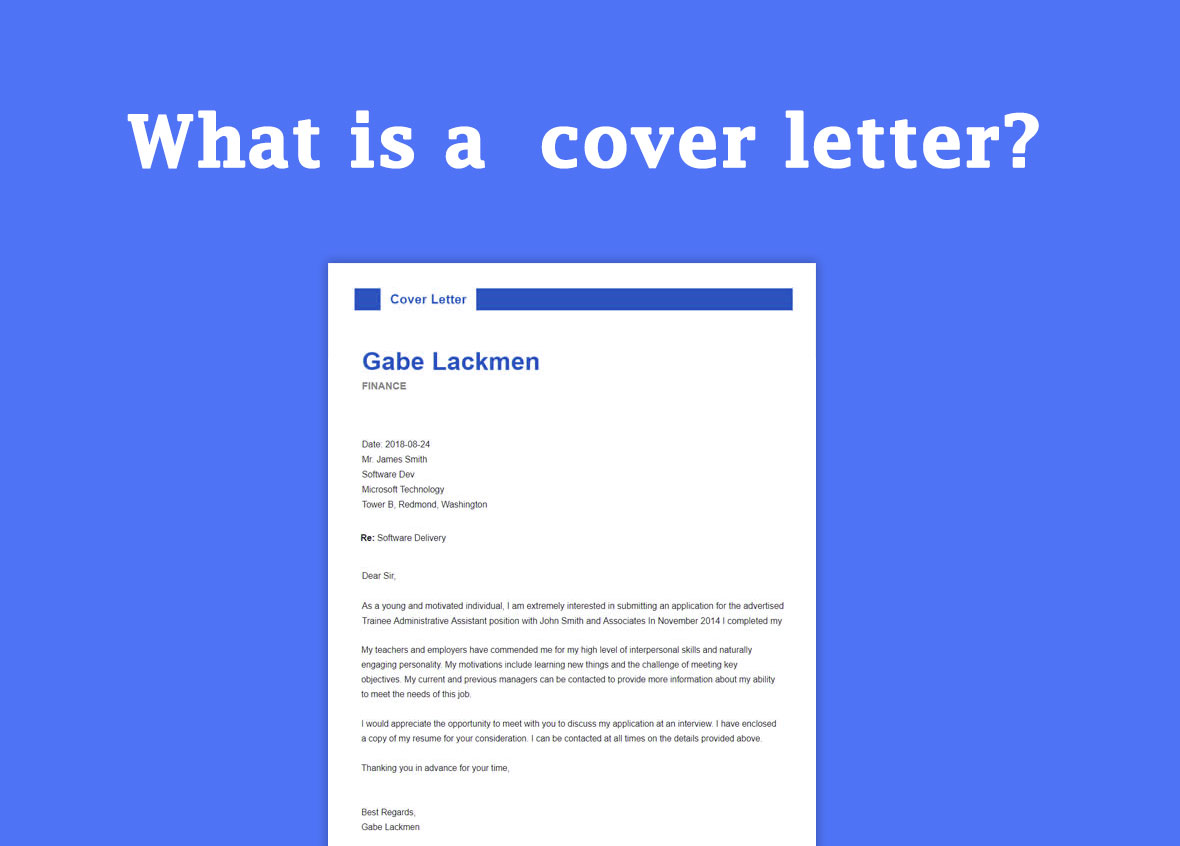
A cover letter is a personalized note that introduces you to the recruiter and explains why you're applying for a particular role. It’s a document that gives context, emotion, and relevance to your resume.
Think of it as your professional trailer—a concise preview that hints at your motivation, strengths, and fit for the role.
Goal: Build curiosity and offer something your résumé can’t.
Why Do You Need a Cover Letter in 2025?
In an era of one-click applications and AI-generated resumes, most hiring teams still appreciate the human effort behind a thoughtfully written letter. Especially when:
You're early in your career
Your resume lacks work experience
You’re switching domains or industries
The employer emphasizes culture fit
A good cover letter helps:
Set you apart from templated applications
Explain why you want that specific job
Address gaps or unique transitions
Show personality and alignment
Even if it’s “optional,” a solid cover letter can elevate your application from average to shortlisted.
When to Include a Cover Letter
Not every job post demands a cover letter—but here’s when you absolutely should include one:
Include if:
The job post requests it
You’re applying to a startup or small company
You’re changing roles or industries
You’re re-entering the job market after a break
You have relevant projects or side gigs not fully captured on your resume
Skip only if:
The application form explicitly says not to
There’s no way to upload a separate document
How to Structure Your First Cover Letter
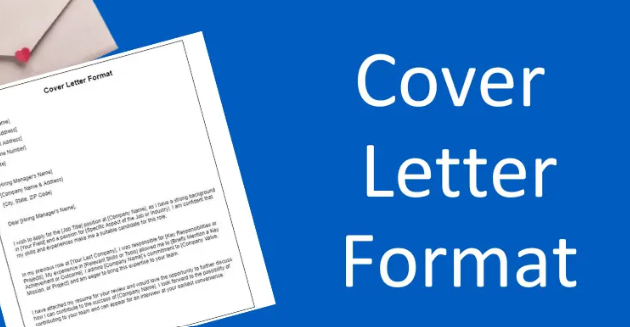
Use this 3-part structure that most successful candidates follow:
Introduction
Who you are + why this jobBody
Highlight one or two strong, relevant experiences (academic, internship, freelance, or volunteer)Conclusion
Reiterate your enthusiasm + ask for the opportunity to discuss further
What to Write in Each Section
Opening Line (Grab Attention)
"I’m excited to apply for the Marketing Associate role at Zyltrix because it blends my passion for storytelling with data-driven creativity."Middle Paragraph (Prove Value)
"During my final year at XYZ University, I launched a campus-wide campaign that reached over 12,000 students and increased newsletter engagement by 85%. This hands-on project taught me the importance of audience segmentation, clear messaging, and measurable results."Closing Paragraph (End Strong)
"I would welcome the opportunity to contribute my ideas and energy to your fast-moving marketing team. Thank you for considering my application."
Real-Life Example: First-Time Job Seeker Cover Letter
Common Mistakes to Avoid
Repeating your resume line-by-line
Using generic openers like “To whom it may concern”
Overusing passive voice
Trying to sound overly academic or robotic
Making it too long (1 page max)
Skipping customization for each role
Forgetting a clear call to action
Pro Tip: Your tone should be clear, confident, and conversational—not too casual, not too stiff.
How Recruiters Evaluate Cover Letters
Recruiters typically skim your letter in under 10 seconds—but they’re scanning for:
Relevance to the job description
Motivation (Why this company?)
Writing style and clarity
Fit with team or culture
Bonus: evidence of self-awareness or soft skills
If your cover letter answers: Why you? Why this role? Why now? — you’re ahead of 80% of applicants.
Final Tips Before You Hit Send
Save it as PDF unless specified otherwise
Name the file: CoverLetter_FirstName_LastName.pdf
Double-check the company name and job title
Proofread (out loud if possible)
Don’t wait for perfection—apply early
FAQs: First Cover Letter Writing
1. Do I really need a cover letter in 2025?
Yes, especially for early-career roles, startups, and companies that value communication skills.
2. How long should my cover letter be?
Around 300–350 words or half a page.
3. Should I write a different letter for each job?
Yes, at least customize the opening paragraph and align with the job description.
4. Can AI write my cover letter?
Use it for drafting or idea generation, but personalize the content yourself.
5. What if I don’t know the recruiter’s name?
Use “Dear Hiring Manager” or “Dear [Team] Team” (e.g., “Dear Growth Team”).
6. I have no experience—what do I write?
Mention coursework, side projects, competitions, volunteer work, or group assignments.
7. Should I include my GPA?
Only if it’s exceptional or requested in the job posting.
8. Is humor okay?
Only if the company has a casual culture. When in doubt, stay professional.
9. How do I follow up?
Wait 5–7 business days, then send a polite email asking for an update.
10. What’s a strong closing line?
“I’d love the chance to contribute and grow with your team. Thank you for considering my application.”
11. Can I reuse parts of another letter?
Yes, but tailor each one to the specific role and employer.
12. Is bulleting okay?
Only when it improves clarity—use sparingly.
13. How do I connect hobbies or personal interests?
Link them to transferable skills (e.g., leadership, creativity, teamwork).
14. Is there a best time to apply?
Within 3 days of the job posting is ideal.
15. Should I include salary expectations in a cover letter?
Not unless specifically asked.
Wrap-Up: You’re Ready to Launch
Your first cover letter isn’t just a formality—it’s a mission statement. With the right format, focus, and tone, you can open doors to the interviews you’re aiming for.