For job seekers, this means UI/UX design is one of the fastest-growing and most rewarding career paths. Whether you’re a creative thinker, problem solver, or tech enthusiast, mastering UI/UX can open doors across industries like tech, e-commerce, gaming, healthcare, and fintech.
This guide explores UI/UX design in 2025—the roles, skills, tools, and trends you need to know—plus actionable career insights, job suggestions, and courses to future-proof your journey.
Career Launchpad: Jobs Waiting for You in UI/UX Design
If you’re ready to step into the world of design, here are the most in-demand roles in 2025:
Skill Boosters: Courses to Future-Proof Your Design Career
Continuous learning is the secret weapon of great designers. Here are top courses recruiters and design leads value in 2025:
Table of Contents
What is UI/UX Design?
Why UI/UX Matters in 2025
Core Responsibilities of UI vs. UX Designers
Tools Every Designer Must Know
Key Skills for Success in UI/UX
Modern Practices in UI/UX Design
Common Challenges Designers Face
Career Growth Paths in UI/UX
Future Trends in Design
Mistakes to Avoid in UI/UX Careers
Best Practices for Job Seekers
Summary & Key Takeaways
FAQs
1. What is UI/UX Design?
UI (User Interface) is about how a product looks, while UX (User Experience) focuses on how it works. Together, they ensure products are both functional and delightful to use.
2. Why UI/UX Matters in 2025
_15.png "Image")
Businesses compete on experience, not just features.
Users expect fast, seamless, and inclusive digital journeys.
Great design directly impacts conversion rates and brand loyalty.
3. Core Responsibilities of UI vs. UX Designers
_17.jpg "Image")
UI Designers: Typography, color palettes, icons, prototyping.
UX Designers: User research, personas, wireframes, usability testing.
Both roles overlap in ensuring a smooth and engaging product experience
4. Tools Every Designer Must Know
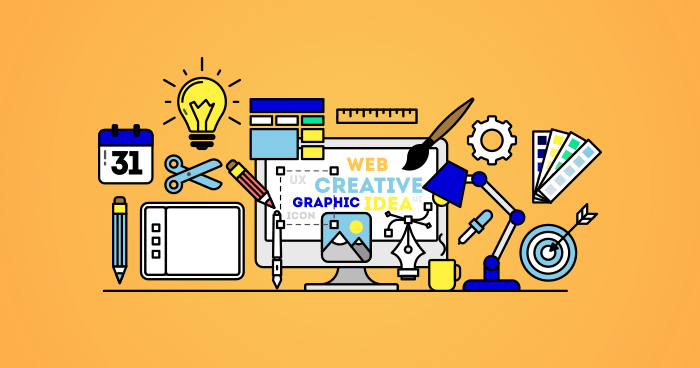
Figma – Collaboration and prototyping.
Sketch – UI design for Mac users.
Adobe XD – Wireframing and prototyping.
Miro – Remote collaboration.
Maze – Usability testing and research.
5. Key Skills for Success in UI/UX

Wireframing & prototyping
Visual design & typography
User research & testing
Information architecture
Empathy & problem-solving
Collaboration with developers & product managers
6. Modern Practices in UI/UX Design
_20.jpg "Image")
Mobile-first design for global audiences.
Inclusive design for accessibility.
Design systems to maintain brand consistency.
Data-driven UX through A/B testing and analytics.
AI-assisted prototyping for faster workflows.
7. Common Challenges Designers Face
Balancing creativity with business goals.
Managing tight deadlines.
Designing for diverse global audiences.
Ensuring accessibility compliance.
Keeping up with fast-evolving tools.
8. Career Growth Paths in UI/UX
Junior Designer → UX Researcher → Product Designer → Design Lead → Head of Design → Chief Design Officer (CDO).
9. Future Trends in Design
AI in design workflows – automating repetitive tasks.
Voice & gesture-based interfaces.
AR/VR design for immersive experiences.
Hyper-personalized UX using predictive analytics.
Sustainable design for eco-conscious brands.
10. Mistakes to Avoid in UI/UX Careers
Ignoring user research.
Over-designing (too many features, cluttered UI).
Not collaborating with developers.
Focusing only on aesthetics, not usability.
11. Best Practices for Job Seekers
Build a portfolio with real-world case studies.
Master at least one end-to-end project.
Learn to tell the story behind your design decisions.
Stay updated with design communities (Dribbble, Behance).
Contribute to open-source projects or freelance gigs.
12. Summary & Key Takeaways
UI/UX design is one of the most exciting, creative, and impactful careers in 2025. By blending creativity with user psychology and digital tools, job seekers can shape the future of technology. The key: continuous learning, building a strong portfolio, and focusing on real user problems.
FAQs on UI/UX Design Careers
1. Do I need a design degree to start in UI/UX?
No. Many professionals enter through bootcamps, online courses, or self-study, backed by strong portfolios.
2. What’s the average salary of a UI/UX designer in 2025?
In the US: $80,000–$110,000 annually. In India: ₹7–15 LPA for mid-level designers.
3. Which industries hire the most UI/UX designers?
Tech, e-commerce, fintech, gaming, healthcare, and SaaS startups.
4. How important is a portfolio for landing jobs?
Essential. Recruiters judge skills based on real case studies more than resumes.
5. Can I work remotely as a UI/UX designer?
Yes, remote roles are common globally, especially for freelancers and SaaS companies.
6. What’s the difference between a Product Designer and a UX Designer?
A Product Designer oversees the entire product journey (business + design), while a UX Designer focuses mainly on user experience.
7. Which tools should beginners start with?
Figma (for design) and Miro (for collaboration) are the best entry points.
8. Is coding necessary for UI/UX design?
Not mandatory, but knowledge of HTML/CSS improves collaboration with developers.
9. How competitive is the UI/UX job market?
High, but strong portfolios and niche skills (like accessibility or AR/VR) give you an edge.
10. Are certifications worth it?
Yes, especially beginner-to-pro programs like Google UX Design Certificate.
11. How do I transition into UI/UX from another field?
Leverage transferable skills (research, creativity, psychology), take courses, and build a portfolio.
12. What are the future opportunities in UI/UX?
Roles in AR/VR design, conversational design, and AI-driven personalization.
13. Is freelancing a good option for UI/UX designers?
Yes, many designers thrive with freelance projects on Upwork, Fiverr, and niche platforms.
14. What mistakes should beginners avoid?
Copying trends blindly, ignoring accessibility, and skipping user research.
15. Can UI/UX design be a long-term career path?
Absolutely. With tech expanding, demand for user-centered design will only grow.