But there’s more: if you understand how Human Resource Management (HRM) works, you can position yourself better as a candidate. You’ll know why companies hire the way they do, what skills they value in 2025, and how to stand out in interviews.
This guide gives you practical insights job seekers can use immediately: how HRM impacts your job search, what trends to prepare for, which mistakes to avoid, and even how to build a career in HR itself.
Career Paths You Can Explore in HR
If you’re considering a career in HR, here are some of the most in-demand HR jobs today:
Explore more Jobs here.
Learn & Upskill: Best HR Courses for Job Seekers
To build the right skills and grow your HR career in 2025, these top courses can help:
Generative AI for Human Resources (HR) Professionals Specialization
Human Resource Management: HR for People Managers Specialization
Leading: Human Resource Management and Leadership Specialization
Table of Contents
What is Human Resource Management?
Importance of HRM in 2025
Core Functions of HRM
Modern HRM Practices
Role of Technology in HRM
Common Mistakes Job Seekers Make (HR’s Perspective
Summary & Key Takeaways
1. What is Human Resource Management and Why It Matters to Job Seekers?
_33.png "Image")
Human Resource Management (HRM) is how organizations manage their workforce — from hiring to training, pay, engagement, and culture.
For job seekers, HRM decides:
Whether your resume passes ATS filters.
Which skills recruiters value most in 2025.
How companies evaluate you in interviews and assessments.
What benefits, learning opportunities, and career paths are available?
2. Why HRM Matters in 2025: The Job Seeker’s Advantage
_39.png "Image")
Understanding HRM helps you:
Beat AI-driven recruitment by tailoring your resume with the right keywords.
Highlight soft skills like adaptability and collaboration, which HR tracks closely.
Align with company culture, improving your chances of being hired.
Negotiate beyond salary, since HR looks at total rewards (benefits, flexibility, learning)..
3. HR Functions Every Job Seeker Should Know
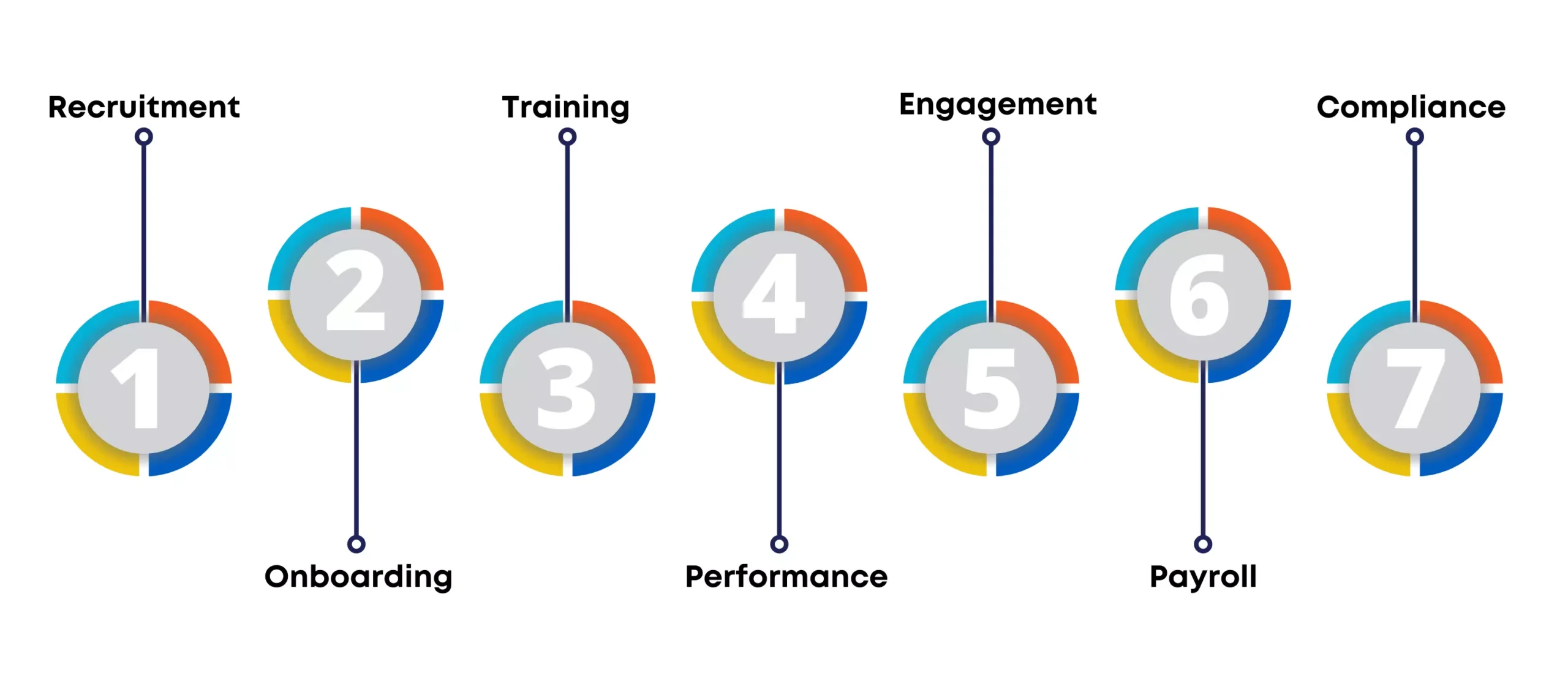
Instead of theory, here’s what HR functions mean for candidates:
Recruitment & Selection → How your resume is filtered and interviews are structured.
Training & Development → Why you should emphasize willingness to upskill.
Performance Management → Helps you understand how success in a role is measured.
Compensation & Benefits → Goes beyond salary to perks, flexibility, and growth.
Employee Relations → HR looks at teamwork and conflict management in interviews.
4. Modern HR Practices You’ll Experience as a Jobseeker
_41.png "Image")
Data-driven recruitment → Expect recruiters to use analytics when shortlisting.
Hybrid & remote interviews → Prepare for video interviews and online tests.
Continuous performance culture → Be ready for ongoing feedback, not just yearly reviews.
Upskilling initiatives → Companies love candidates who show a learning mindset.
5. Role of Technology in HRM

Most rejections today happen before a human sees your resume — because of technology.
Here’s what to watch out for:
ATS (Applicant Tracking Systems) → Use keywords from the job description.
AI chatbots & video screening → Practice for structured AI-led assessments.
HR Analytics → Employers use data to predict your career fit.
Learning Platforms → Upskilling through Coursera, edX, or LinkedIn Learning boosts your profile.
6. Common Mistakes Job Seekers Make (HR’s Perspective)
Sending resumes that fail ATS scans.
Ignoring soft skills in their applications.
Skipping preparation for behavioral interviews.
Overlooking company culture fit.
Not asking insightful questions in interviews.
7. Summary & Key Takeaways
HR isn’t just a department you meet during hiring — it’s the gateway to your career opportunities. If you understand how HRM works in 2025, you can write stronger resumes, ace interviews, and even build a future-proof career in HR itself.
For job seekers, the formula is simple: learn how HR thinks → adapt your strategy → stand out as the candidate companies want.
8. FAQs
1. What is Human Resource Management (HRM) in 2025?
Human Resource Management in 2025 goes beyond hiring and payroll — it’s about creating people-first strategies powered by technology. HR now combines traditional practices with AI-driven analytics, digital onboarding, employee well-being, and diversity initiatives.
2. Why is HRM important for business success today?
HRM drives business success by ensuring the right talent is hired, retained, and developed. In today’s competitive market, HR leaders also play a key role in shaping culture, building engagement, and aligning workforce planning with business goals.
3. What are the main functions of HRM?
The main functions include recruitment, training, employee relations, performance management, compensation, compliance, and workforce planning. Modern HR also focuses on digital transformation, inclusion, and employee experience.
4. How has technology transformed HRM in recent years?
Technology has reshaped HR through applicant tracking systems, AI recruitment tools, HR analytics, and virtual onboarding. Cloud-based HR software now manages everything from payroll to performance, while AI chatbots handle employee queries.
5. What skills are essential for a successful HR career in 2025?
In 2025, HR professionals need digital literacy, data-driven decision-making, empathy, communication, and knowledge of labor laws. Skills in HR tech platforms, AI recruiting, and diversity management are also in high demand.
6. Which HR jobs are in the highest demand right now?
Talent Acquisition Manager
Explore more Jobs here.
7. How can I start a career in Human Resource Management?
You can start by earning a degree in HR, business, or psychology, followed by internships or entry-level HR roles. Certifications like SHRM-CP, PHR, or HR analytics courses can accelerate your career growth.
8. What are the top HR certifications and courses for career growth?
Human Resources Analytics
Generative AI for Human Resources (HR) Professionals Specialization
Human Resource Management: HR for People Managers Specialization
Leading: Human Resource Management and Leadership Specialization
Learn HR Fundamentals for a Career in Human Resources
9. What is the difference between HRM and talent management?
HRM covers all aspects of managing employees — hiring, payroll, compliance, and engagement. Talent management focuses more narrowly on attracting, developing, and retaining high-potential employees to drive business growth.
10. How does HRM support employee engagement and retention?
HRM enhances engagement by implementing recognition programs, wellness initiatives, career development plans, and feedback systems. A well-structured HRM strategy helps retain employees by aligning their goals with the organization’s vision.
11. What role does HR play in building company culture?
HR is central to shaping culture through policies, leadership development, DEI initiatives, and communication strategies. HR ensures the values of the organization are embedded in hiring, training, and performance management.
12. Is HR a good career choice in 2025?
Yes, HR is one of the most resilient and evolving career paths. With companies prioritizing people strategy, digital HR, and global workforce management, HR professionals are in demand across industries.
13. How much salary can HR professionals expect at different levels?
Entry-level HR assistants earn around $40,000–$50,000 annually in the U.S., while HR managers typically earn $70,000–$100,000. Senior HR directors and CHROs can make well over $150,000, depending on industry and location.
14. What are the biggest challenges HR managers face today?
Current challenges include remote workforce management, attracting top talent, ensuring diversity and inclusion, adapting to AI in HR, and balancing employee well-being with business productivity.
15. What is the future of HRM with AI and automation?
AI and automation will streamline repetitive HR tasks like resume screening and payroll. However, HR will remain people-centric, with professionals focusing more on strategy, employee engagement, and culture-building.